
aktuelle news.
Berichte, Mitgliederporträts und Fachbeiträge aus der ganzen Großwäscherei-Branche — vieles davon zuerst in Laundry Link News erschienen.
21. September 2026
Expert Guide: The Biggest Sources of Lost Revenue in Commercial Laundries
Where does a commercial laundry really lose money? Often, it’s not through major breakdowns, but through small, hidden inefficiencies that add up over time. This article explores how laundries can improve profitability by tracking labour productivity, machine utilisation, energy consumption and preventative maintenance. Discover practical ways to identify performance gaps, reduce operating costs and unlock greater efficiency across healthcare, hospitality and garment processing operations.
14. September 2026
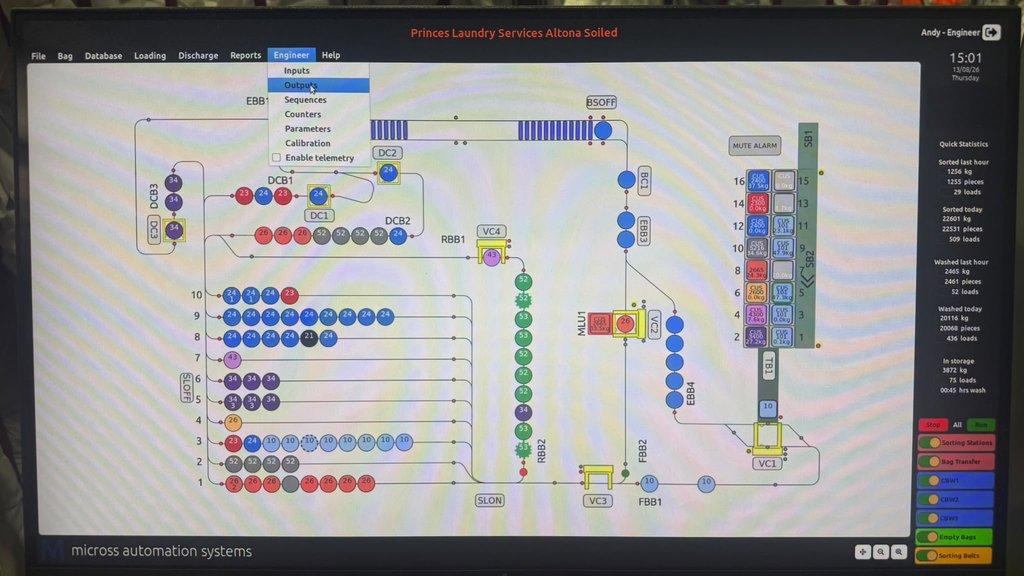
How the Monorail Becomes a Source of Production Intelligence
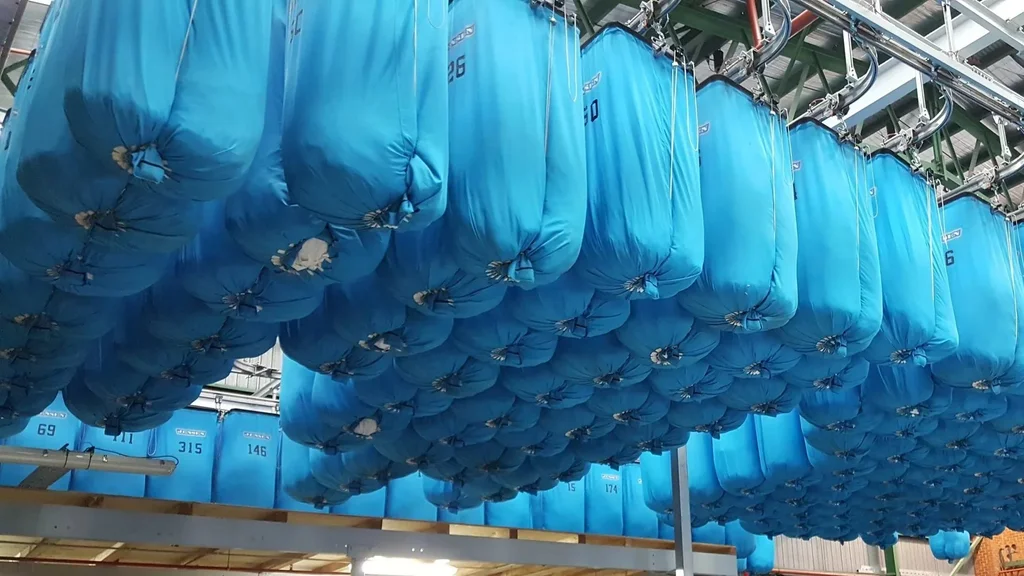
Almost everything processed through the plant passes through the monorail system at some stage. This gives us access to an incredible amount of operational data. When that information is captured and used effectively, the rail becomes much more than a method of storing and moving linen – it becomes a valuable source of production intelligence.
14. September 2026
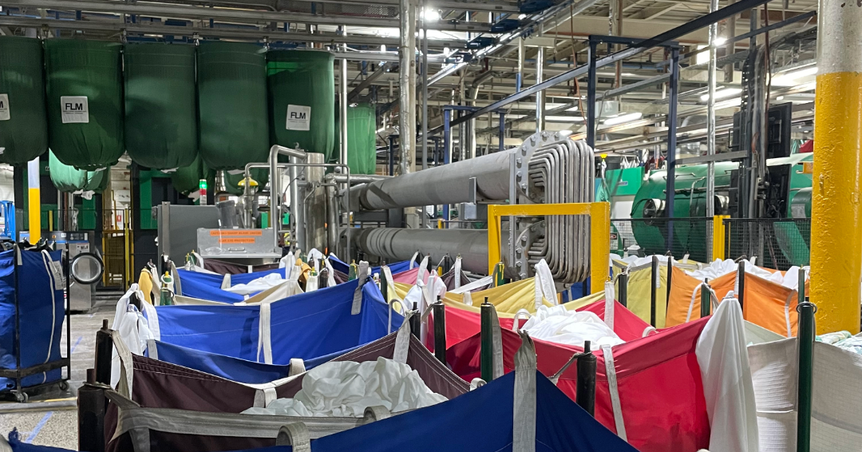
Why Most Commercial Laundries Are Paying More for Energy Than They Need To
Commercial laundries can cut energy costs by 20–30% without capital investment. Discover where energy is quietly wasted — and how to find it first.

6. Juli 2026
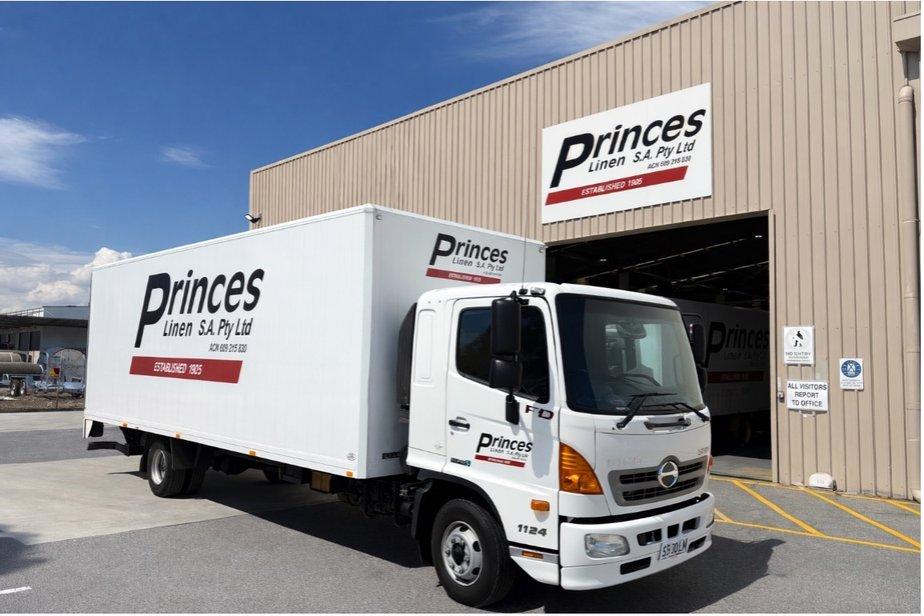
Why Energy Cost Savings Could Be Sitting Untouched Across Australia and New Zealand’s Laundry Industry
Australian and New Zealand laundry and linen services operators could be sitting on significant untapped energy cost savings – yet most are yet to take the structured approach needed to find and capture them.
1. Juli 2026
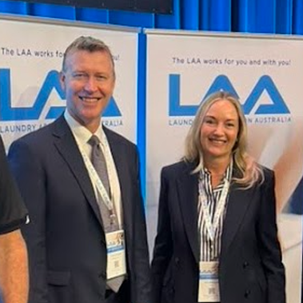
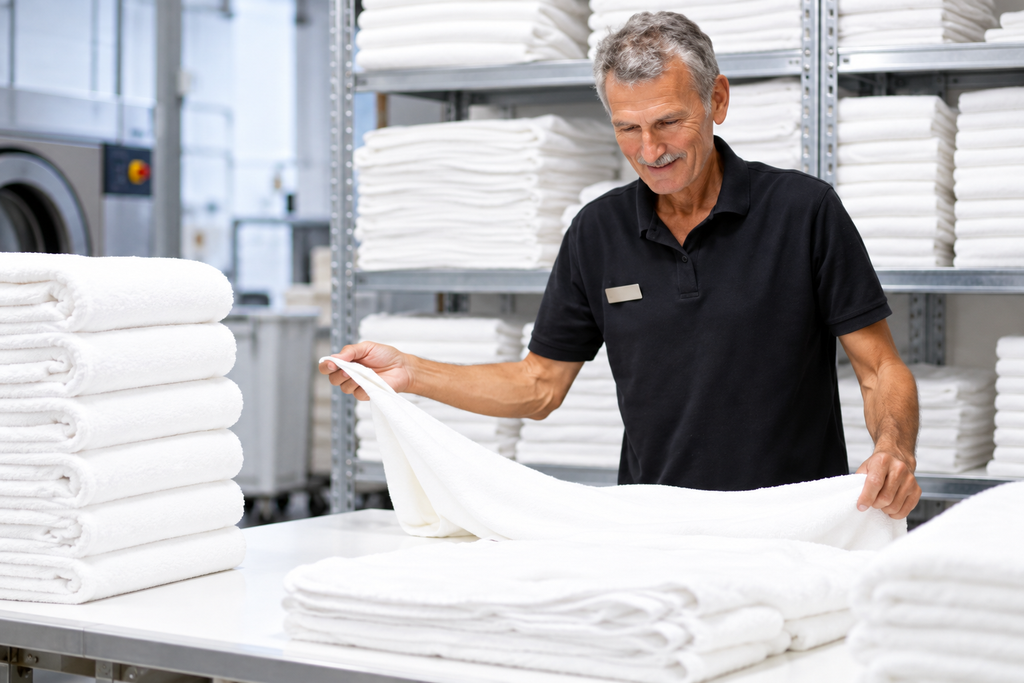
Who's Who in the Zoo
Rita Morrison (Right) – The Newly Appointed Chief Executive Officer of the Laundry Association Australia
19. Mai 2026
Hiring Staff in 2026: What Commercial Laundry Businesses Can't Afford to Get Wrong.
From compliance risks and workforce changes to safety, continuity and cost pressures, here’s what commercial laundry operators need to understand when employing staff directly or engaging workforce solutions providers.

14. Mai 2026
The Best of Both Worlds: Why Smart Laundries Are Playing Gas and Electricity Off Each Other
For a long time, laundries have had a pretty fixed relationship with energy: you take what you’re given and wear the cost. If gas prices rise, it hits the bottom line. If electricity spikes, there’s not much you can do about it. As recent events show, having flexibility in the energy your business depends on can be an incredibly important risk management tool.

4. Mai 2026
Why You Can't Afford RFID
I've been involved in RFID implementation in commercial laundries for over a decade.

1. Mai 2026
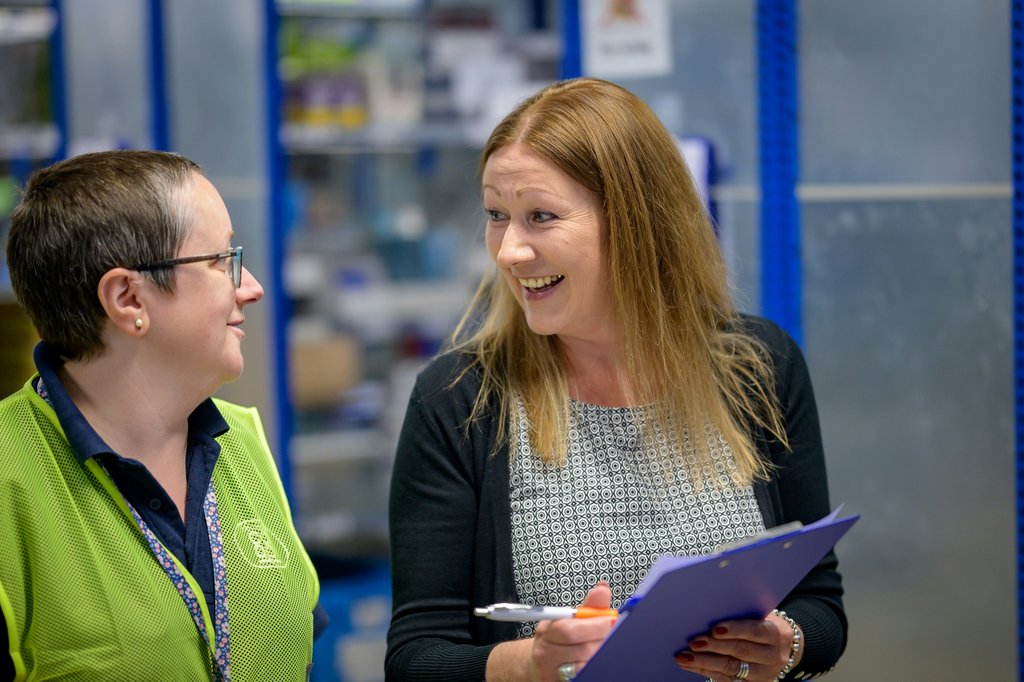
Who's Who in the Zoo
Richard Scott - Business Development Director, Professional Textile Care Division True Blue Christeyns
27. März 2026
There Is One Thing Worse Than Training Your Staff and Then Watching Them Leave: Not Training Them at All... and Having Them Stay.
That sentence lands uncomfortably for some operators, but it should. Because the laundry industry has quietly tolerated under-training for decades, and the cost of that decision shows up everywhere: inconsistent output, high turnover, rewash, poor morale, safety incidents, and managers spending their days firefighting instead of leading. We tell ourselves training is expensive. We rarely stop to calculate what poor training actually costs.
23. März 2026
Microfibre Filtration Technology Shows Strong Results in Flinders Testing
A single laundry load containing synthetic garments can release thousands of plastic microfibres from materials such as polyester, nylon, and acrylic. New laboratory testing at Flinders University has highlighted a promising South Australian solution designed to reduce this growing environmental issue.

10. März 2026
Expert Guide: Training and Skills Development in the Laundry Industry
The laundry industry has evolved far beyond basic wash-and-fold services. Today, it is a technology-driven, service-focused sector that demands a skilled workforce capable of operating advanced machinery, ensuring quality control, and meeting strict hygiene and sustainability standards. As customer expectations rise and automation increases, training and skills development have become central to business success.r

29. Januar 2026
Supply Chain Inventory Management: Why Traceability Is Becoming Non-Negotiable in the Linen Sector
This shift toward full linen traceability is not theoretical — it’s already here. I saw it firsthand at the Clean Show in Orlando in August this year. Several major linen manufacturers showcased fully traceable textiles, each item carrying a scannable identity that revealed its fibre composition, manufacturing site, labour-compliance status, and sustainability footprint. It was clear that this wasn’t a prototype or a marketing exercise — it was a commercial reality that is about to hit our region. The message from Orlando was unmistakable: global supply chains are moving toward full transparency, and the Australasian laundry industry must be ready to operate in that environment.

26. Januar 2026
The Supply Chain Backbone: Why Australia’s Laundry Industry Depends on Global Logistics
Australia’s commercial laundry sector has always been about efficiency — turning mountains of linen around quickly, safely, and reliably. But beneath the hum of tunnel washers and the flow of folded sheets lies an often unseen lifeline: the global supply chain that keeps the industry moving.
12. Januar 2026
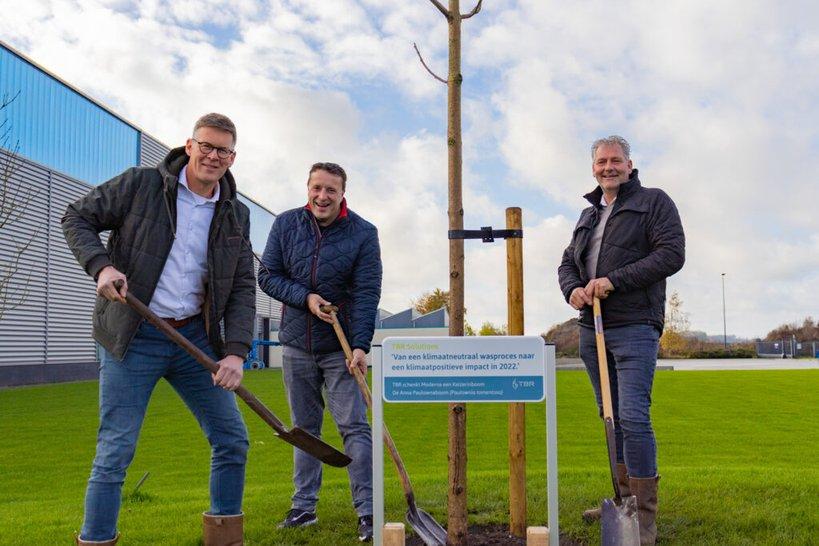
A CO2-free washing process – Laundry industry
In 2014 we opened our new laundry. At the time, after the fire, we started as sustainably as possible. Every drop of water adheres to this plan. We deal with raw materials that we need for washing very consciously. We gathered advice from TBR Solutions for the construction of our new building. They helped us set up the most advanced laundry possible. We started with the latest equipment at the time.



11. November 2025
Cybersecurity in the Laundry Industry: Why ISO 27001 Matters
As laundries embrace digitalisation, the risk of cyber-attacks grows. In this article, Joris Minnaar of ABS Laundry Business Solutions explores how international standards such as ISO/IEC 27001:2022 provide laundries with the tools to protect data, maintain customer trust, and build resilience in a connected world.

29. September 2025
Why We Must Insist Healthcare Uniforms Are Professionally Laundered
At the heart of Australia's healthcare system lies a silent but significant risk - contaminated uniforms. Recent research from the UK, spearheaded by De Montfort University and supported by the Textile Services Association, has laid bare a worrying truth, "washing hospital garments at home simply doesn't cut it".
23. September 2025
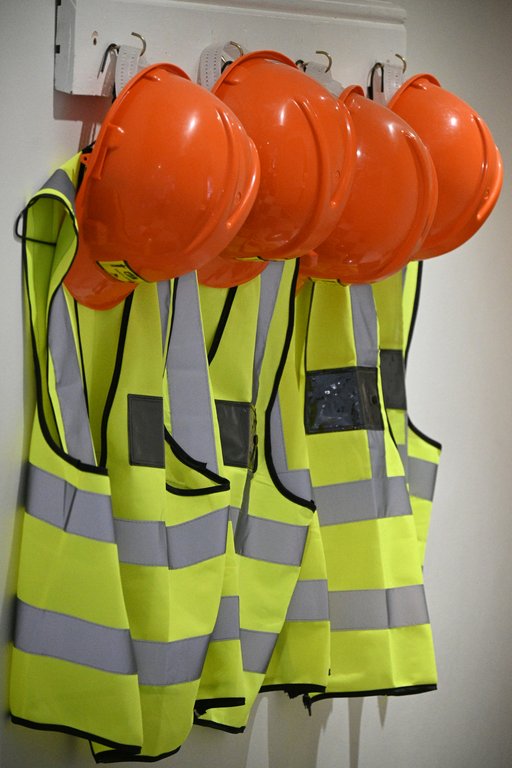
The Risk You Can't See: Why Safety Guarding Under Overhead Rail Bags Is Critical
Protecting Your Team and Your Business in the Modern Laundry
2. September 2025
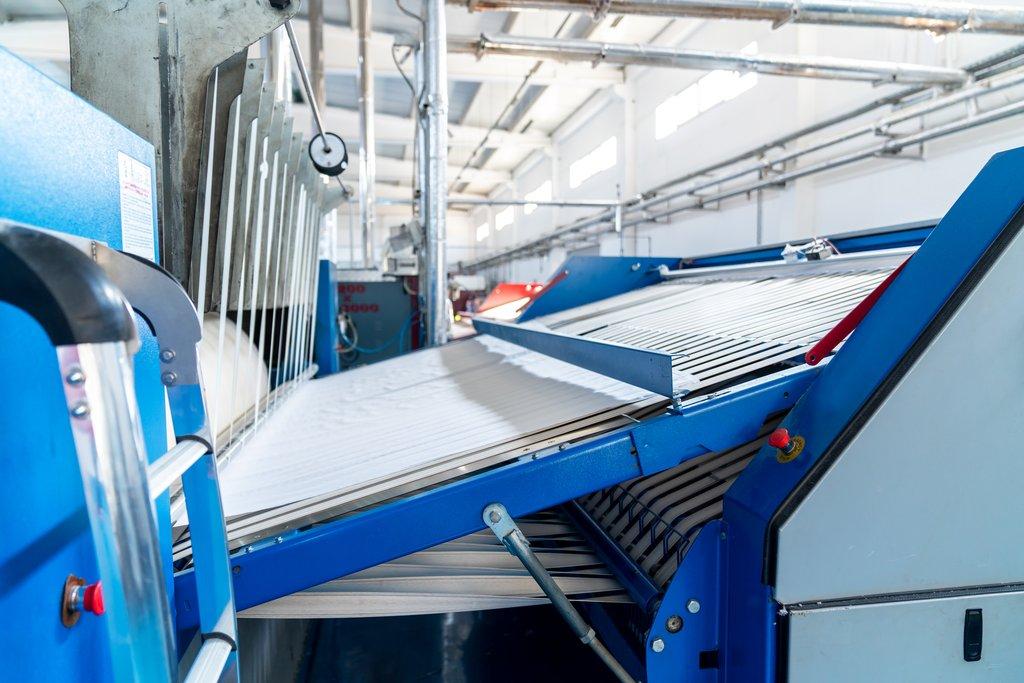
Expert Guide to Production: Tumbling and Conditioning Introduction
The purpose of the drying operations is to reduce the moisture level remaining in the product and linens so that it may be processed effectively in succeeding operations.
1. September 2025
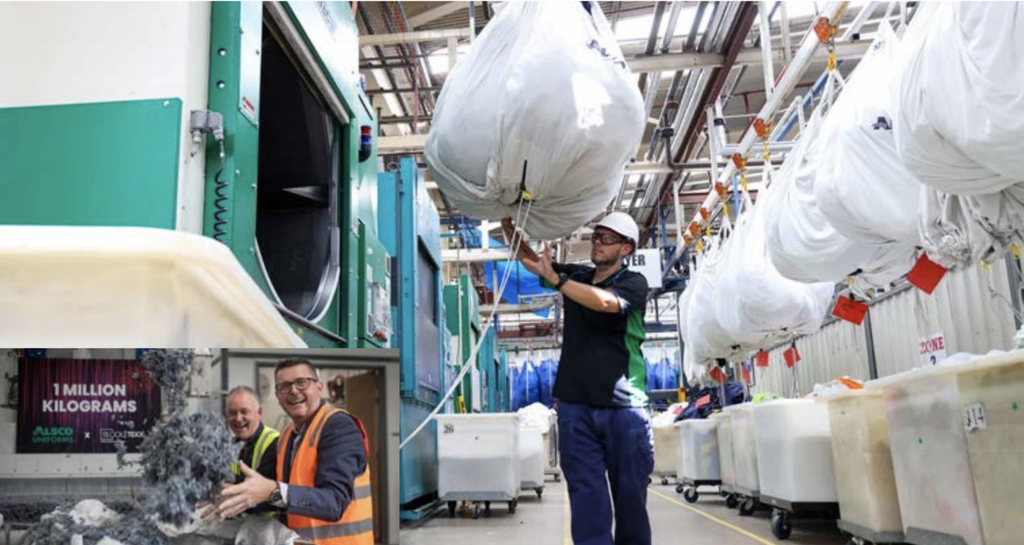
Innovation With Legacy: Inside La Nuova's IndustryLeading Laundry Operation
La Nuova is not your average laundry. Based in Taranaki, New Zealand, it is a dynamic operation rooted in family values but pushing the boundaries of modern commercial laundry practice. I recently had the opportunity to speak with Brad Craig, Managing Director of La Nuova, to get an inside look at the business, its history, innovations, and where it's headed next.
17. Juli 2025
Shangri-La Sydney’s Laundry Upgrade: Inside a Five-Star Overhaul
In the heart of Sydney’s CBD, tucked behind the iconic Shangri-La Hotel, a logistical ballet recently unfolded—one involving split-pocket washer extractors, a reinforced car park, and night-time installation marathons. Aqualogic, working closely with the hotel’s management and project teams, led a transformative upgrade to the on-premise laundry (OPL) system, tackling not just an ageing equipment fleet, but also a suite of complex installation challenges.
15. Juli 2025
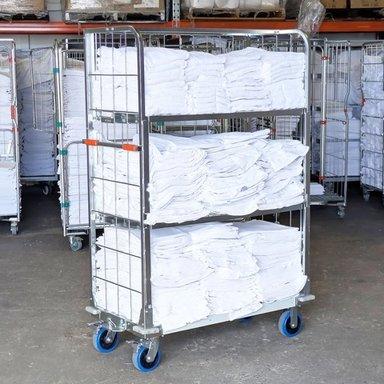
Expert Guide to Laundry Production: Extraction in the Laundry Industry
At the end of the wash cycle each item in the load is saturated thoroughly with water. At this point the excess water must be removed from the load. Draining the washer only removes the free or surface water from these items but does not remove any of the water absorbed by the saturated fabrics. Cotton for example, can easily hold water up to 2.5 times its bone-dry weight. For example, 500 grams of dry cotton can absorb about 1.2 kilograms of water. Thus, the saturated weight of cotton is about 3.5 times the weight of bone-dry fabric.

10. Juli 2025
2025 Marketing Trends the Australian Laundry Industry Can’t Ignore
In our fast-evolving digital world, the marketing landscape continues to shift—driven by technology, consumer expectations, and the need for hyper-personalisation. Recently, we explored key insights from the State of Marketing 2025 report, which surveyed over 1,400 marketers globally. These trends are highly relevant not just to large corporations, but also to local and independent businesses—including Australia’s vibrant and essential laundry industry. Whether you’re running a self-service laundromat, managing a commercial laundry business, or selling laundry-related products and services, these five trends are worth paying attention to in 2025.
8. Juli 2025
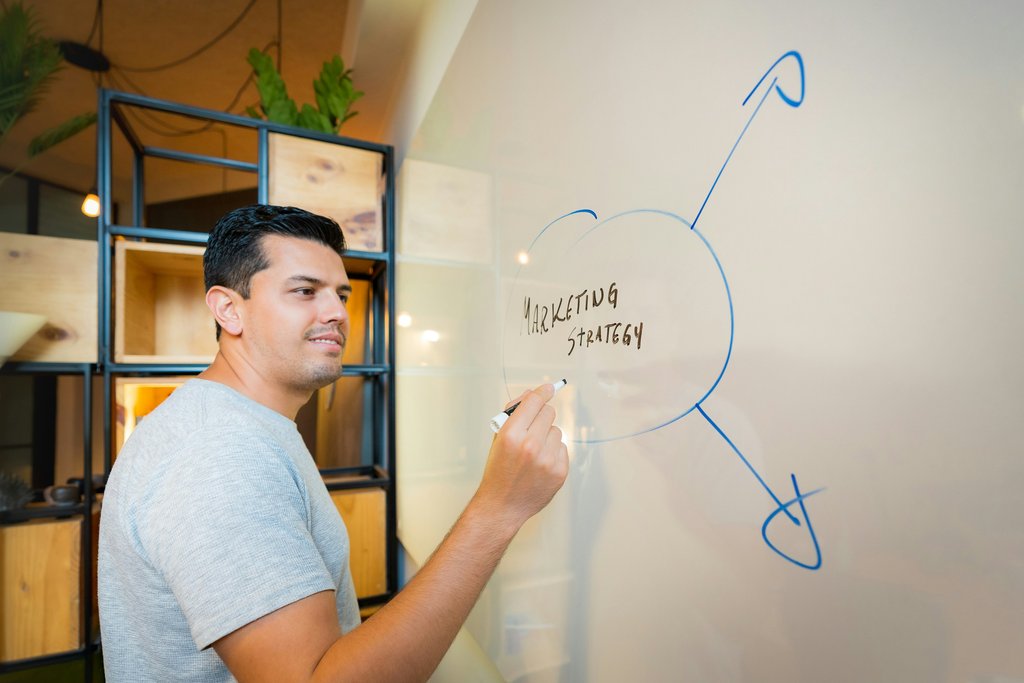
Dirty Laundry: Why Sales & Marketing Need a Spin Cycle Too
Running a commercial laundry business in Australia is anything but simple. From managing staff to keeping up with equipment and regulatory compliance, it’s a high-effort operation that often leaves little time for proactive sales and marketing.

10. Juni 2025
The Impact of Sustainable Laundry Systems on Environmental Conservation
In today’s rapidly changing world, the need for sustainable practices across all industries has become more critical than ever. One area where significant strides are being made is in the laundry industry, thanks to the adoption of sustainable laundry systems. These systems not only benefit businesses but also contribute positively to environmental conservation efforts on a global scale.


15. Mai 2025
Extending Linen Life in a Commercial Laundry
Maximising the lifespan of linen is a crucial goal for any commercial laundry, as it directly impacts operational costs, customer satisfaction, and sustainability. Linen replacement represents a significant expense, and understanding the factors influencing linen longevity can help businesses make informed decisions to extend its life. There are Four primary factors that determine how long linen lasts: the quality of its manufacture, the washing and drying conditions in the laundry, and how it is used (or abused) by the end user. By addressing each of these factors, commercial laundries can significantly extend the service life of their textiles and reduce unnecessary waste.

5. Mai 2025
Linen Specifications: Balancing Durability, Comfort, and Cost in Commercial Laundries
In the commercial laundry industry, the specifications of linen play a significant role in determining both operational efficiency and customer satisfaction. The choice of fabric composition directly affects linen lifespan, wash durability, maintenance costs, and guest experience. Selecting the right linen is a balancing act between durability, tactile feel, and cost-effectiveness. In this article, we examine how different fabric compositions perform in a commercial laundry setting and determine the best solutions for long-term profitability.
.png)

19. März 2025
What is PFAS and Should the Laundry Industry Be Concerned About Government Regulation?
The laundry industry faces a pivotal moment in addressing the challenges posed by PFAS. While compliance with emerging regulations will require investment and adaptation, it also presents an opportunity to lead in environmental stewardship. By taking proactive steps to eliminate PFAS, enhance wastewater treatment, and adopt sustainable practices, the industry can turn this challenge into a catalyst for innovation and growth. In doing so, laundries can ensure not only regulatory compliance but also a cleaner, healthier future for their businesses and communities.